Ethiopia Yirgacheffe Worka "Queen Berry"
RM71.00 MYR
Tasting Note: Malic | Mixed Berries | Chocolate | Vanilla
| Varietal | Processing Method | Altitude |
| Heirloom | Natural | 2000-2100m |
Size: 200g/1kg
Brewing Recommendation: Filter Brews / Modern Espresso

RM71.00 MYR
Tasting Note: Malic | Mixed Berries | Chocolate | Vanilla
| Varietal | Processing Method | Altitude |
| Heirloom | Natural | 2000-2100m |
Size: 200g/1kg
Brewing Recommendation: Filter Brews / Modern Espresso
RM63.00 MYR
Tasting Note: Orange Peel | Pineapple | Orange | Dried Mango | Caramel
| Varietal | Processing Method | Altitude |
| Heirloom | Natural | 1900-2300M |
Size: 200g/1kg
Brewing Recommendation: Filter Brews / Modern Espresso
This is a natural-process Ethiopian Sidama coffee from the Chire highlands, and it leads with bright pineapple because slow-ripened, high-grown heirloom cherries were dried whole in the sun, driving their own fruit sugars deep into the bean. Orange follows close behind, sitting over a rounder weight of dried mango and caramel.
Chire is a woreda, a district, tucked inside the Sidama zone of southern Ethiopia, up in the fertile Rift Valley highlands. The cherries here ripen somewhere between 1,900 and 2,300 metres, and that matters: cool, thin highland air slows ripening right down, which gives a cherry time to build deeper sweetness and acidity before it is picked. Chire also has its own accent within greater Sidama. Where neighbouring Bensa leans strawberry-tropical and Aroresa runs toward jasmine and black tea, Chire reads nutty, dried-fruit and almost wine-like.
The lot carries the name Kenean, for Kenean (Assefa) Dukamo, second-generation Deputy CEO of Daye Bensa Coffee Export, a family-owned Sidama exporter that sources from thousands of smallholders and sun-dries its naturals on raised beds across the Bensa, Aroresa and Chire districts. Kenean Dukamo placed second in the 2022 Ethiopia Cup of Excellence, so the hands drying this coffee know exactly what they are doing.
It is a natural, or dry-processed, coffee, which simply means the whole cherry is dried intact in the sun rather than having its fruit stripped off first. As it dries, the fruit's sugars work their way into the bean, and that slow soak is where all the ripe, jammy fruit in the cup comes from. It is graded G1, the top grade for the cleanest, least-defective Ethiopian beans.
The aroma opens on orange peel, then the taste arrives tropical and fruit-forward: pineapple first, juicy and bright, with orange right on its heels. Underneath sits a deeper, heavier sweetness of dried mango and caramel, the sort of dark-sugar note a Malaysian palate might file somewhere near gula melaka. It is a natural that is all about ripe fruit and body, which is exactly what Chire and a careful sun-drying tend to give.
Order a bag online and brew it as a pour-over, that bright pineapple really opens up when you give it room to breathe.

RM80.00 MYR
Tasting Note: Rose | Strawberry | Passion Fruit | Champagne | Juicy
| Varietal | Processing Method | Altitude |
| 74158 | 32-day extended natural | 2200-2300m |
Size: 200g/1kg
Brewing Recommendation: Filter Brews / Modern Espresso
This is a returning Ethiopian Sidamo natural from the Cherry village of Bensa region, slow-dried on raised beds for 32 days; it leads with strawberry, carries passion fruit alongside it, and finishes juicy with a champagne-like lift. For this coffee, whole cherries were slow-dried on raised beds for 32 days, a lovely detail to dial in around where the drying time leads to higher level of fermentation under the hot-cold cycle climate and dry weather in Ethiopia.
The Crackpots has carried this Bensa 32D natural before; this August 2026 arrival is its latest harvest, not our first go-round with the lot, and that says a lot about the impression we had on this natural processed gem from this origin.
Add a bag online, then dial in that strawberry-and-passion-fruit cup your way.
RM119.00 MYR
Tasting Note: Dark Florals | Grapes | Liqueur Chocolate | Lingering
| Varietal | Processing Method | Altitude |
| Geisha | Natural | 1620m |
Size: 200g
Brewing Recommendation: Filter Brews / Modern Espresso
RM83.00 MYR
Tasting Note: Elderflower | Pineapple | Passion Fruit | Blood Orange
| Varietal | Processing Method | Altitude |
| SL28, Ruiru11 | Natural | 1577m |
Size: 200g/1kg
Brewing Recommendation: Filter Brews / Modern Espresso
Kenya Kiambu Ruera Factory AA Natural is a dry-processed Kenyan in a country that washes almost everything, so the cup lands tropical and floral instead of the usual bright Kenyan snap.
Think tropical fruit salad with flowers on top. Passion fruit leads, pineapple and blood orange fill in underneath, and elderflower drifts around the edges. It's a long way from the crisp blackcurrant-and-citrus profile most people expect from Kenya, and that contrast is the whole point of this lot.
Kenya is washed-coffee country, almost by law. Nearly every cherry is delivered to a "factory" (the local word for a washing station) for wet processing, and it's actually illegal to buy unprocessed parchment straight from farmers. Leaving the whole cherry to ferment and dry on the bean, the way naturals are made, is a recent and still uncommon move here. That's what makes this one worth a detour.
This is SL28, the famous Kenyan workhorse selected back in 1935 for its standout cup at altitude (gorgeous in the glass, but low-yielding and a magnet for disease), blended with Ruiru 11, a hardy Kenyan-bred hybrid released in 1985 to shrug off leaf rust and Coffee Berry Disease. Think of Ruiru 11 as the tough, practical sibling planted to keep the trees healthy.
The AA on the label, by the way, is Kenya's top size grade: it measures how big the beans are, not how good they taste.
Interested? Add a bag to your cart and taste a Kenyan that breaks its own country's rules: passion fruit and flowers where you'd expect the usual bright snap.
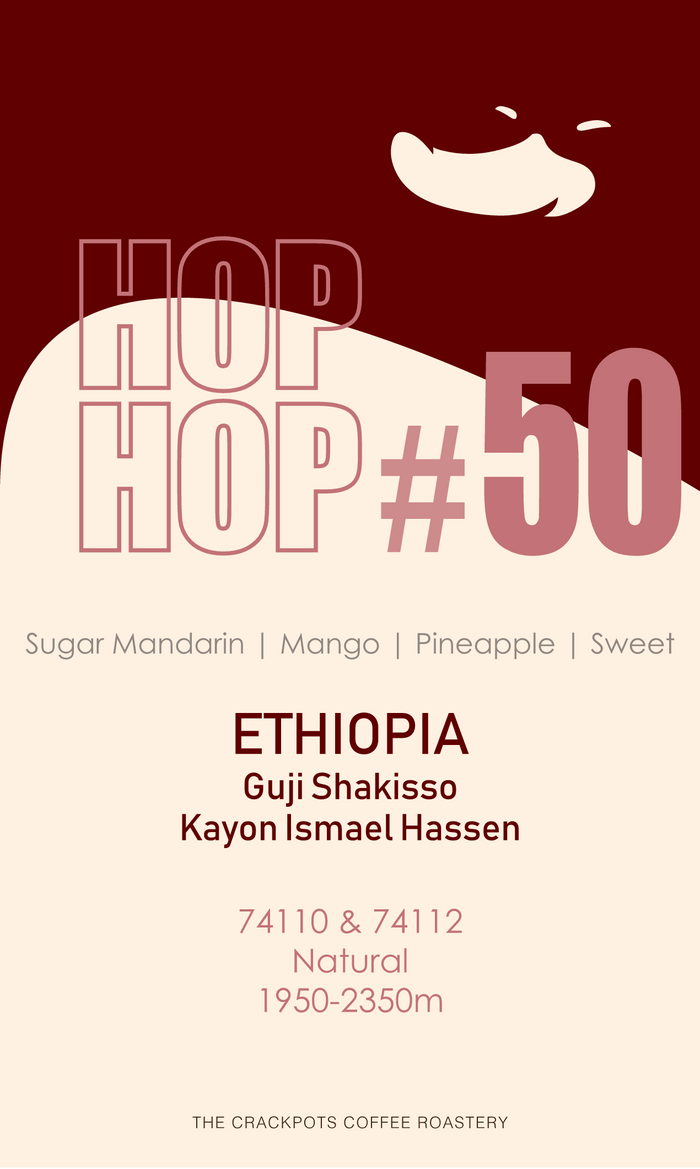
74110 & 74112 · 1950-2350m
RM50.00 MYR
RM91.00 MYR
Tasting Note: Floral | Muscat Grape | Orange | Honey
| Varietal | Processing Method | Altitude |
| Papayo | Natural | 1750m |
Size: 200g/1kg
Brewing Recommendation: Filter Brews / Modern Espresso
This is a natural-process Colombia from Las Delicias farm in Huila, grown at 1,750 metres from the rare Papayo variety — and it drinks floral and bright, with Muscat grape, orange and a honeyed sweetness running through the cup.
Papayo is one of coffee's genuine oddities. It's named for its cherries, which grow pointy and elongated like little papayas, and its genetics are still up for debate — maybe a spontaneous Caturra or Bourbon mutation, maybe a stray Ethiopian landrace, with nobody able to confirm it without proper genetic testing. It's rare, too, grown mostly on smallholder plots concentrated around Huila.
The natural process is what pulls it all together: the whole cherry dries intact in the sun, so the fruit's sugars and aromatics soak right into the bean — which is exactly where that sweet, fruit-forward character comes from. Huila's high Andean altitude helps as well, with warm days and cool nights that slow the cherries down and concentrate the flavour. That honeyed note lands somewhere near gula melaka — no expertise required to enjoy it.
Brew it as a filter and give it room to bloom — this is coffee with character that rewards a careful pour.
RM123.00 MYR
Tasting Note: Mulberry | Tangerine | Honey | Peach | Hint of Wine
| Varietal | Processing Method | Altitude |
| Gesha | River Natural | 1850m |
Size: 200g/1kg
Brewing Recommendation: Filter Brews / Modern Espresso
Tangerine leads this Peru Amazonas El Colibri Gesha Natural: a bright, fruit-forward natural-process cup carrying mulberry, honey, peach and a hint of wine behind the citrus. It's grown at 1850m in the Amazonas highlands of northern Peru, on El Colibri, the farm that placed #12 in Peru's 2023 Cup of Excellence.
El Colibri sits in Amazonas, the emerging specialty region of northern Peru where the Andes start tipping into rainforest. This isn't a name borrowed for a bag: the estate placed twelfth in Peru's 2023 Cup of Excellence, the national competition that ranks a country's best lots by blind jury score. When a farm places that high, a panel of independent judges has already vouched for the cup without knowing whose coffee they were tasting.
Gesha (also spelled Geisha) is the cup the whole specialty world chases, with a backstory to match. It's an Ethiopian landrace collected from Ethiopia's coffee forests in the 1930s, which travelled to Tanzania's Lyamungu research station and on to CATIE in Central America in 1953, where it was filed under accession number T2722. It stayed a research curiosity until the Peterson family entered it at Panama's Best of Panama in 2005, where it sold for over $20 a pound and set an auction record. Think of it as the variety that sat quietly in a seed bank for fifty years, then rewrote coffee's price ceiling overnight.
Here's the catch that makes this lot notable: Gesha is genuinely hard to farm. The plant is tall and low-yielding, so a grower harvests far less per tree than a workhorse variety, and it only rewards you with its famous cup when it's grown high, above roughly 1600m. It also carries only intermediate resistance to coffee leaf rust and a soft spot for nematodes, so it asks for patience and the right altitude. El Colibri's 1850m sits comfortably in that sweet spot.
This is a natural, or dry-process, coffee: the whole cherry is dried with the fruit still on, letting the bean soak up sweetness and that wine-like depth. El Colibri takes it further with a method it calls River Natural, where the cherries are fermented anaerobically (sealed away from oxygen) in flowing river water that keeps the temperature low. Cool, slow fermentation is the trick to a clean cup, because gentle temperatures hold back the boozy, funky off-notes a runaway warm ferment can throw. The cherries are then sun-dried to export standard.
Expect tangerine out front, bright and lifted, with mulberry, honey and peach filling in underneath and a hint of wine on the finish. If you know the sweet-sour pop of a ripe limau madu, that's the kind of citrus lift leading the glass. It's a sweet, fruit-forward natural that wears its provenance on its sleeve, and every cup tells a story worth following back to one Amazonas hillside.
Add a bag to your cart and give this tangerine-bright Gesha the unhurried pour-over it deserves, roasted fresh in Subang Jaya for the discerning cup.