Bolivia Samaipata Los Rodriguez
RM70.00 MYR
Tasting Note: Grapefruit | Dried Apricot | Gummy | Hint of Strawberry
| Varietal | Processing Method | Altitude |
| Caturra | Natural | 1766m |
Size: 200g
Brewing Recommendation: Filter Brews / Modern Espresso

RM70.00 MYR
Tasting Note: Grapefruit | Dried Apricot | Gummy | Hint of Strawberry
| Varietal | Processing Method | Altitude |
| Caturra | Natural | 1766m |
Size: 200g
Brewing Recommendation: Filter Brews / Modern Espresso

RM50.00 MYR
Tasting Note: Chocolate | Roasted Nuts | Caramel
| Varietal | Processing Method | Altitude |
| Mixed Varietal | Natural | 900-1300m |
Size: 200g/1kg
Brewing Recommendation: Filter Brews / Modern Espresso

RM52.00 MYR
Tasting Note: Plum | Dark Berries | Brown Sugar | Lingering
| Varietal | Processing Method | Altitude |
| Bourbon |
Natural |
1950-2000m |
Size: 200g / 1kg
Brewing Recommendation: Filter Brew / Modern Espresso
We have some information about Burundian coffees, but first - flavours!
Although the quality of the acid in this coffee lean more towards stonefruit (plum) and dark berries, the intensity of the acidity isn't high. We find it moderate especially when the brown sugary sweetness balances the acidity out. If you're a fan of using lighter roast for milk-based espressos, this coffee can be sweet.
On the Buzira CWS
Established since 2010, Buziraguhindwa Coffee Washing Station (shortened to Buzira CWS) has been serving small local farmers around their vicinity in a similar format to the Ethiopian coffee industry - once coffees are harvested when they are ripe, local farmers deliver their fresh crops in cherry form to Buzira CWS to be processed.
Unlike other countries where farmers sometimes own several hectares of lands, the Burundian farmers own less than half a hectare of land on average; in addition, the local Burundians also cultivate agricultural produces other than coffees, such as banana and in order to survive. That's why the Buzira CWS serves up to 3000 farmers around them!
Brief Background of Burundian Coffees
An interesting note to take - when you see any origin that is considered "rare", it is often due to complications in politics, logistics and accessibility.
Burundi experienced a devastating civil war back in 1990s, and as they were recovering, coffee export emerged as a potential sector to connect the broken country with the world economy and increase foreign currency exchange to boost the overall economy.
However, logistics and management still posed a problem as the Burundian recuperate. In the attempt to stabilize the market, the country took inspiration from their neighbouring country, Rwanda, who was successful in rebuilding through coffee at that time.
It is only recent years that Burundi has a more consistent export with reliable quality, after long years of battling the "potato" defects (click here to read more on potato defects!)
On the Naming of the Coffee
At The Crackpots Coffee Roaster, we always try to help beginners and advanced drinkers alike to understand more about coffees. One of our efforts is to explain the various cryptic names of coffees which could be confusing.
Here’s a breakdown of this coffee:
| Burundi |
A landlocked country in east-central Africa, south of the Equator with a historic kingdom - one of the few countries in Africa whose borders were not determined by colonial rulers. |
| Kayanza |
One of the 16 provinces in Burundi, located in the north. |
| Buzira CWS | Name of the processing station, where the full name is Buziraguhindwa Coffee Washing Station. |
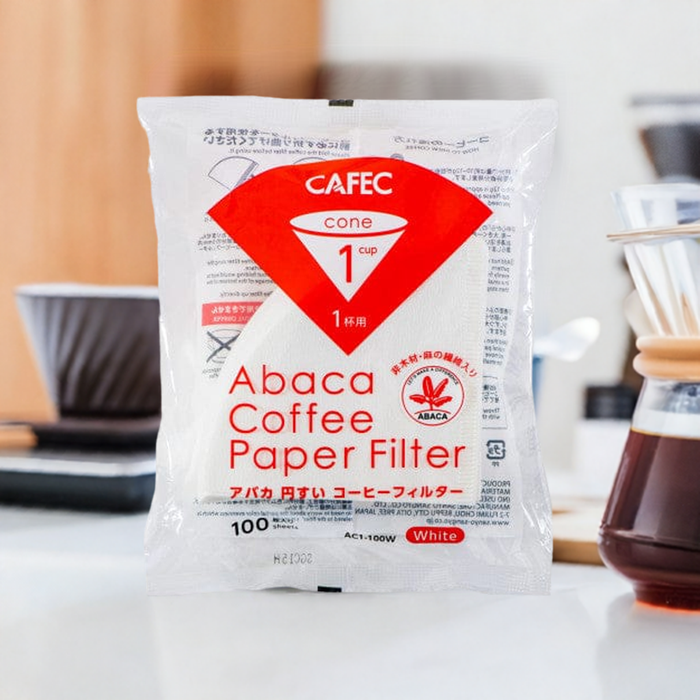
RM23.00 MYR
| Size | Cup 01 (Flower Dripper / Hario V60 - Size 01) |
| Quantity (per pack) | 100pcs |
| Material | Manilla hemp (abaca) |
"Abaca" or also known as "Manila Hemp" is known for its strength - four times stronger than wood pulp, but the fibre is twice as thin as conifer fibre.
Made in Japan, CAFEC's abaca filter paper boasts “Two-Side Crepe” while other filter paper has crepe on only one-side. Through the manufacturer's original papermaking technology (Air-through dry), there is enough air layer between the paper and dripper so water can flow at an ideal speed.
Not only does the filter paper promise good air and liquid permeability, toughness, and elasticity, it also meets the traceability standard required by FSC® certificate as an eco-friendly and sustainable filter paper.
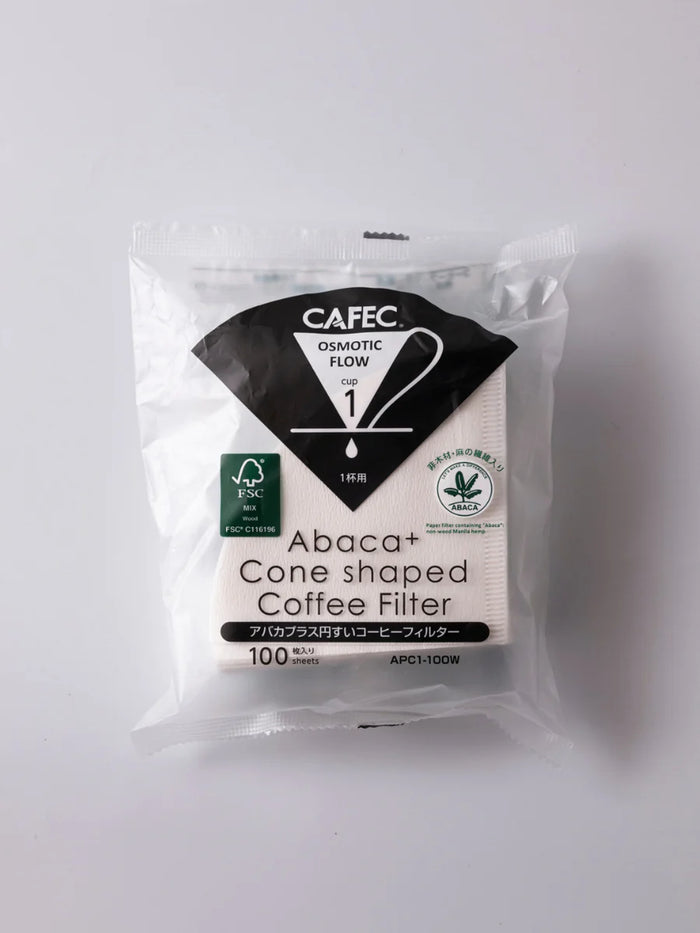
RM23.00 MYR
| Size | Cup 01 (Flower Dripper / Hario V60 - Size 01) |
| Quantity (per pack) | 100pcs |
| Material | Manilla hemp (abaca) |
Under Mr Nakatsuka's leadership, CAFEC's products have become one of the most popular coffee equipment in specialty coffee shops across the world. What's impressive is that they have never slacked or been complacent - through continuous research and development for even better products, CAFEC introduced their latest Abaca+ filter paper in early 2022.
Manufactured with a new innovative technique called "Fine-Grained" method, the paper surface area is increased by narrowing the distance between each crepe, resulting in an even water flowrate due to the uniformity of the paper texture.
The density of the Abaca+ is higher with a smoother surface, while being a little thicker and harder in comparison to the original Abaca. We personally find that Abaca+ allows faster flow rate, which serves as a double-edged sword - good in those who have good flow control, but tend to be clogged with over agitation.
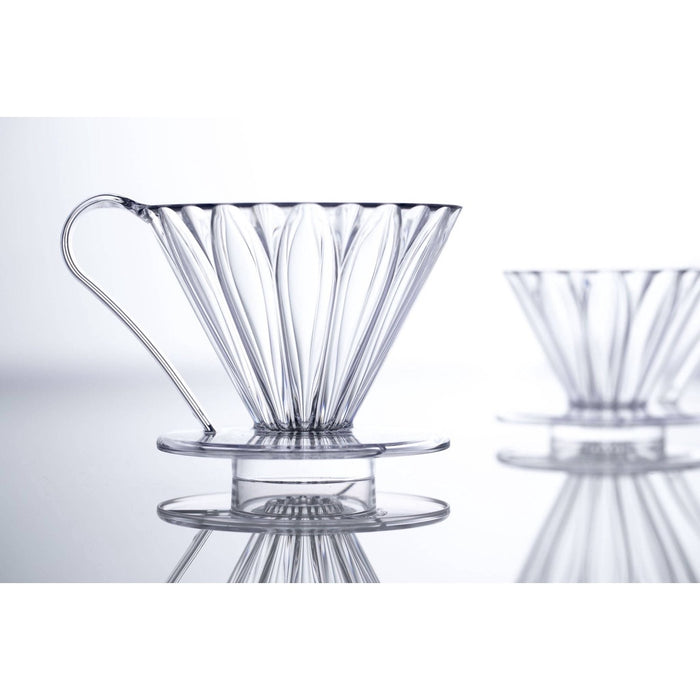
RM23.00 MYR
The flower dripper circulates water from the center to the outer ring to achieve deep layer extraction with a relatively fast water flow to prevent unpleasant notes from being extracted. Thanks for the dripper design, the volume poured from top and exit from the bottom are the same because water is not retained in the dripper.
Enjoy the best flavours from a coffee without unpleasantness.

RM58.00 MYR
Size: 200g (Whole Beans)
Tasting Note: Mango | Cherry jam | Passion Fruit | Mulberry
Varietal: Caturra
Processing Method: Natural
Growing Altitude: 1750m
We currently offer a natural processed caturra varietal from Finca La ILUSIÓN located in Caldas, Colombia. This coffee carries some tropical notes akin to mango and passion fruit.
The Caldas department is one of the major Colombian coffee-producing departments alongside Risaralda, Quindío, and Tolima who gained traction recently. Contributing to the majority coffee production of Colombia, these regions form what the Colombian people called Triángulo del Café – the Coffee Triangle.
What comes as a surprise is that around 60% of the Colombian farmers are independent small farmers with farm sizes of not even more than one hectare. Imagine the number of micro-lots and undiscovered treasures scattered all over Colombia!
Ever Heard of a Coffee Theme Park?
With an agricultural GDP contribution of around 10-16%, the Colombians have even built Parque del Café, the Colombian National Coffee Theme Park located in the Montenegro town of Quindío!
As of 2018, the theme park has 28 rides and various coffee related cultural attractions including a coffee museum, coffee show, coffee variety gardens and sections for forest myths and legends.
How cool is that?
RM127.00 MYR
Tasting Note: Tiramisu | Rum | Dessert | Chocolate | Almond
| Varietals | Processing Method | Altitude |
| Castillo | Amaretto Washed | 1750m |
Size: 150 g / 1kg
Brewing Recommendation: Filter Brews / Modern Espresso
Can you imagine a coffee smelling exactly like tiramisu? No matter the answer, you should definitely try this crazy special processed coffee from Finca San Jose that makes you feel like you're drinking tiramisu!
Here's how it is created: the castillos from Finca San Jose are dry-tumbled in amaretto barrels for 30 days to soak up all the aromas before being dried after mechanical de-pulping.
That's how a sensory illusion of tiramisu is created when profiled to highlight notes of chocolate, nuts and baked goods (biscuits), since tiramisu is made of ladyfingers dipped in coffee, layered with a whipped mixture of eggs, sugar and mascarpone, and finally flavoured with cocoa; a common variant also involves using alcohol, such as Marsala wine, amaretto or a coffee-based liqueur.
Feel like trying this special coffee? Order a filter brew at our place and see if you like them! Our retail space is located in USJ1 (near Subang SS15 area / Damen Mall).
RM69.00 MYR
Tasting Note: Rose | Osmanthus | Sweet Orange | Peach | Tea
| Varietal | Processing Method | Altitude |
| Castillo | Double Anaerobic Washed | 2050m |
Size: 200g / 1kg
Brewing Recommendation: Filter Brew / Modern Espresso
RM99.00 MYR
Tasting Note: Floral | Yellow Plum | Clementine | Mango | Nectarine | Mint Choc
| Varietal | Processing Method | Altitude |
| Yellow Bourbon | Yeast-Inoculated Natural | 1750M |
Size: 200g/1kg
Brewing Recommendation: Filter Brews / Modern Espresso
Yellow plum is the first thing you'll taste in this Colombian El Diviso Yellow Bourbon, produced by Nestor Lasso by steering the whole-cherry ferment with selected yeast, and the cup that comes back is clean, floral and stacked with yellow stone fruit.
This lot comes from Finca El Diviso, near Pitalito in Huila, Colombia, farmed by Nestor Lasso with his brother Adrian and partner Jhoan Vergara. They're a young, third-generation Pitalito growing family, and their coffees have turned up in World Barista Championship routines, so the bar for what lands in the bag is high.
Yellow Bourbon is a yellow-cherried form of Bourbon that first showed up in Brazil in the 1930s, the gold fruit coming from a recessive gene pair (basically Bourbon with the colour dial turned to amber). It's prized for sweetness, bright citric acidity and ripe stone-fruit notes, and it shows best above roughly 1,000 masl, which this 1,750-masl lot clears with room to spare.
Here's the nerdy bit. Instead of leaving the whole cherries to ferment on whatever wild microbes happen to be in the air (a standard natural), the cherries are inoculated with a selected yeast, Saccharomyces cerevisiae (T58), then held at around 35°C for about 80 hours at a 1:5 yeast-to-cherry ratio before drying. Think of it like using a sourdough starter instead of hoping the right bugs turn up: a known yeast steers the flavour and keeps batches consistent. The payoff is more clarity, higher acidity and more tropical, floral lift than a standard natural usually gives.
Expect yellow plum up front, then clementine, mango and nectarine, all wrapped in florals with a cool mint-chocolate finish. The mango leans tropical in a way a Malaysian palate will clock straight away. It's coffee with character, and a tidy lesson in what a controlled ferment can do.
If your shelf is all the usual washed and natural lots, order a bag of this yeast-natural online and taste what a steered ferment does differently.

Tasting Note: Bubblegum | Minty | Lemongrass | Soda-like
| Varietal | Processing Method | Altitude |
| Catiope |
Pink Champagne Washed |
1600-1700m |
Size: 200g / 1kg
Brewing Recommendation: Filter Brews / Modern Espresso
Have you ever had a coffee that brought you through a roller-coaster ride from hot to cold, tingling you with a cooling mint sensation and an end note that makes you go, "this is actually good!?"
Say hi to Finca El Mirador's Pink Champagne washed catiope!
Our current offering from El Mirador is a catiope coffee - a cross between Colombian Caturra and Ethiopian heirloom. It is a low-growing (easy to harvest), high-bearing tree (cost effective) with slightly copper-coloured leaves and generally sweet, full-red cherries at a brix level of 20-23°.
The Pink Champagne washed basically macerates the coffee with a culture that is pre-cultivated with spices and fruits. The depulped coffees are placed in air-tight plastic tanks together with the culture for 140 hours and dried for 25–30 days.
Tasting Note: Tropical fruits | Mango | Passionfruit | Yogurt | Pink Guava
| Varietal | Processing Method | Altitude |
| Purple Caturra | Tropical Natural |
1730m |
Size: 200g/ 1kg
Brewing Recommendation: Filter Brews
Finca Monteblanco is back at it again! With a mad-scientist spirit, Senor Rodrigo Sanchez has been producing playful and exciting coffee with eccentric processing methods for the past years with many successes.
Have you loved our Finca Monteblanco Passion Fruit Washed a while ago? Such a gem!
This is yet another interesting coffee from the same farm and producer. Don't miss it!
RM70.00 MYR
Tasting Note: Winey | Blackberries | Raisin | Chocolate
| Varietal | Processing Method | Altitude |
| Castillo |
Winey Natural |
1600-1750m |
Size: 200g / 1kg
Brewing Recommendation: Filter Brew / Modern Espresso
Tasting Note: Candied Pineapple | Cherries | Peach | Orange Rind
| Varietal | Processing Method | Altitude |
| Pink Bourbon | Natural | 1644m |
Size: 200g /1kg
Brewing Recommendation: Filter Brews
RM54.00 MYR
Tasting Note: Pineapple | Mango | Mulberry | Cherry | Grape
Varietal: Caturra
Processing Method: Natural
Growing Altitude: 1650m
Rodrigo Sanchez Valencia and Claudia Samboni, the couple behind Finca La Loma, Finca Monteblanco and Finca El Progreso, have poured their heart and soul into coffee farming innovation to push the ever-evolving boundaries of the coffee industries.
The adventurous Snr Rodrigo cared about coffee innovation so much that they have their own laboratories in La Loma to research and develop their own best farming practices, including specific processing methods for different varietal from different farms under their management. Such foresight has gained Snr Rodrigo great respect within the industry, as well as opened doors for more coffee experimentations and customisation.
Snr Rodrigo’s recent explorations include planting Geishas on his own farms in Colombia since 2017, naturally low caffeine coffee (the laurina varietal), cold fermentation, and varying Brix degrees (°Bx, a refractometer measurement that has an important role in wine fermentation as well).
Interested to know more about the amazing man? Follow Snr Rodrigo’s Instagram! https://www.instagram.com/rodrigosanchez09/
The current offering we have from Finca La Loma is a natural processed caturra (a natural mutation from red bourbon) dried on raised racks under cold weather on the high mountain, resulting in pleasant fruity notes like pineapple, cherry and mulberries!
Tasting Note: Rum | Raisin | Passion Fruit | Blackberry |Cocoa
Varietal: Pink Bourbon
Processing Method: Fruit Juice Double Anaerobic Washed
Growing Altitude: 1730m
Size: 200g / 1kg
Remember the amazing natural caturra from Finca La Loma we had? We now have another coffee by Snr Rodrigo Sanchez, but from his other farm – Finca Monteblanco! The current offering we have from Finca Monteblanco is a special double anaerobic washed processed pink bourbon, a cross-breed of red and yellow bourbon. Taste notes? Imagine fruity rum & raisin cakes in liquid form!
The Processing Method
Snr Rodrigo’s recent explorations involve anaerobic processing with different kinds of yeasts grown using different fruits! Rather than simply fermenting the coffees in a tank full of fruits in hope for unstable fermentation to happen, Snr Rodrigo created his own fruit juice anaerobic processing by raising yeasts that are fed with specific fruits instead, before using the yeast to assist in the anaerobic fermentation process!
The Producers
Rodrigo Sanchez Valencia and Claudia Samboni, the couple behind Finca La Loma, Finca Monteblanco and Finca El Progreso, have poured their heart and soul into coffee farming innovation to push the ever-evolving boundaries of the coffee industries.
The adventurous Snr Rodrigo cares about coffee innovation so much that the farm have their own laboratories in La Loma to research and develop their own best farming practices, including specific processing method for different varietal from different farms under their management.
Interested to know more of the amazing man? Follow Snr Rodrigo’s Instagram!
On the Naming of the Coffee
At The Crackpots, we always try to help beginners and advanced drinkers to understand more about coffees. One of our efforts is to explain the various cryptic names of coffees which could be confusing.
Here’s a breakdown of this coffee:
| Colombia | Colombia, officially the Republic of Colombia, is a country in South America |
| Huila | Huila is a department/region in southern Colombia. |
| Finca Monteblanco | The farm’s name, where finca means estate/ranch/farm in Spanish |
| Pink Bourbon | Coffee varietal (arabica), it is a cross-breed of red and yellow bourbon |
| Double Anaerobic Washed | The coffees are fermented twice in an anaerobic fermentation tank before the usual processing like washed/natural/honey |
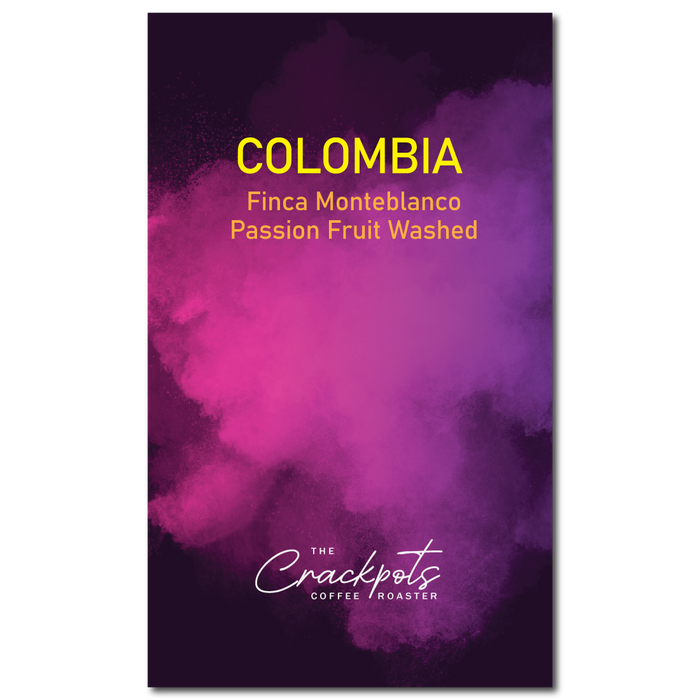
Tasting Note: Passion Fruit | Mango | Yogurt | Pineapple
| Varietal | Processing Method | Altitude |
| Purple Cattura | Passion Fruit Washed |
1730m |
Size: 200g/ 1kg
Brewing Recommendation: Filter Brews
RM89.00 MYR
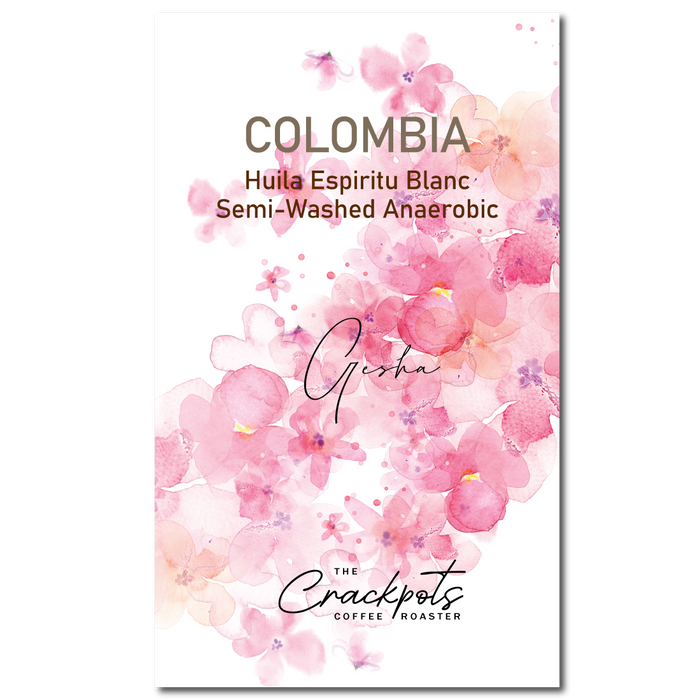
Tasting Note: Floral Bomb | Lemon Zest | Bergamot | Earl Grey
| Varietal | Processing Method | Altitude |
| Gesha | Anaerobic Honey |
2350-2450m |
Size: 150g
Brewing Recommendation: Filter Brews
Ever since the Gesha varietals are introduced to Colombia farmers, it has quickly become the golden apple of many eyes.
What we have here is a gesha that has gone through special processing where the skins are removed and the cherries with the flesh are fermented in an anaerobic environment for around 150hrs before being dried on the patios under the sun for 18 days. To add another layer of complexity to the aroma of the coffee, the cherries are dried alongside lemongrass during the drying process.
Purists may want to swipe left and move on, but if you're someone who gets excited for interesting processing methods - here's your Colombia Huila Gesha Espiritu Blanc semi-washed anaerobic!
RM71.00 MYR
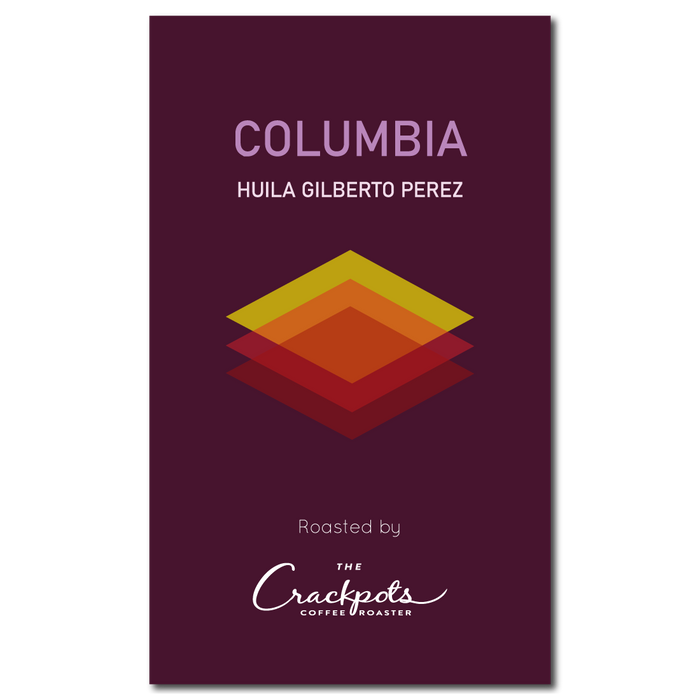
Tasting Note: Rum | Peach | White Grape | Yogurt
Varietal: Caturra
Processing Method: CM Natural 200hrs
Growing Altitude: 1200-1600m
Size: 200g / 1kg
🥃 Carbonic Maceration 🥃
Carbonic maceration (CM) is originally a winemaking technique that softens tannins and enhances fruitiness in lighter bodied red wine. It is, in its essence, fermenting the fruits in a carbon dioxide rich environment (usually a fermentation tank) before being crushed to extract their juice.
When Sasa Sestic, the 2015 World Barista Champion, first introduced (or popularised) CM in the coffee processing industry, it was received with mixed responses.
Nevertheless, the introduction of CM has opened doors to many other innovative coffee processing methods by adventurous early adopters.
To date, so many experimental processing methods are available in the market that not even roasters can keep up with them. To make a few: anaerobic, fruit juice yeast, thermal shocks, slow dry, shade dry, rum barrel, cold washed, lactic… heck, there’s even a processing called Tom Yum Gung process in China Yunnan!
Back to CM.
Our past encounters with CM were like a roller coaster ride. When they are bad, they can be really bad, smelling and tasting like rotten fruits; but when they are good, THEY ARE GOOD! 🤤🤤
This CM Natural 200hrs from Gilberto Perez is one of the few that is gooood! It reminds us of rum when it’s hot, and white wine when it’s cold due to its white grape acidity.
Our head barista recommends to brew it on ice with V60!
On the Naming of the Coffee
At The Crackpots, we always try to help beginners and advanced drinkers to understand more about coffees. One of our efforts is to explain the various cryptic names of coffees which could be confusing.
Here’s a breakdown of this coffee:
| Colombia | Colombia, officially the Republic of Colombia, is a country in South America |
| Huila | Huila is a department/region in southern Colombia. |
| Gilberto Perez | The farmer/producer’s name. |
| CM natural | The whole cherry was fermented in a carbon dioxide rich environment before the usual natural process (being dried under the sun). |
| 200hrs | The total time of whole cherry being carbonic macerated. |
RM76.00 MYR
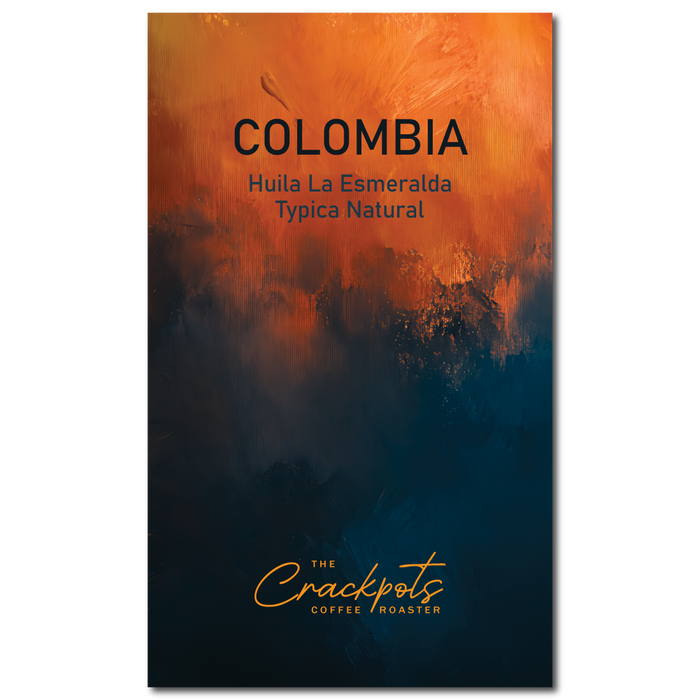
Tasting Note: Hint of wine | Yellow Peach | Mango | Grape Juice
| Varietal | Processing Method | Altitude |
| Typica | Natural | 1600-1800m |
Size: 200g/1kg
Brewing Recommendation: Filter Brews / Modern Espresso
Tasting Note: Black Forest Cake | Mango | Mikan | Pineapple
| Varietal | Processing Method | Altitude |
| Java | Other Processing | 1800m |
Size: 200g/1kg
Brewing Recommendation: Filter Brews / Modern Espresso
RM91.00 MYR
Tasting Note: Floral | Muscat Grape | Orange | Honey
| Varietal | Processing Method | Altitude |
| Papayo | Natural | 1750m |
Size: 200g/1kg
Brewing Recommendation: Filter Brews / Modern Espresso
This is a natural-process Colombia from Las Delicias farm in Huila, grown at 1,750 metres from the rare Papayo variety — and it drinks floral and bright, with Muscat grape, orange and a honeyed sweetness running through the cup.
Papayo is one of coffee's genuine oddities. It's named for its cherries, which grow pointy and elongated like little papayas, and its genetics are still up for debate — maybe a spontaneous Caturra or Bourbon mutation, maybe a stray Ethiopian landrace, with nobody able to confirm it without proper genetic testing. It's rare, too, grown mostly on smallholder plots concentrated around Huila.
The natural process is what pulls it all together: the whole cherry dries intact in the sun, so the fruit's sugars and aromatics soak right into the bean — which is exactly where that sweet, fruit-forward character comes from. Huila's high Andean altitude helps as well, with warm days and cool nights that slow the cherries down and concentrate the flavour. That honeyed note lands somewhere near gula melaka — no expertise required to enjoy it.
Brew it as a filter and give it room to bloom — this is coffee with character that rewards a careful pour.
Tasting Note: Fruit Tea | Mango Juice | Maple Syrup
| Varietal | Processing Method | Altitude |
| Red Caturra | Mango + cultured-yeast (Lactobacillus / S. cerevisiae) mother-culture co-ferment; ~180h sealed fermentation with mango solution, fully washed, then 20–25 days drying. | 1,730 masl |
Size: 200g/1kg
Brewing Recommendation: Filter Brews / Modern Espresso
This coffee drinks like mango juice with maple syrup sweetness underneath, because producer Rodrigo Sánchez Valencia co-fermented the pulped coffee for roughly 180 hours with a cultured mango-and-yeast "mother culture" before it was processed as a fully washed coffee (all pulps, flesh and mucilage removed at the time of drying).
Rodrigo Sánchez Valencia is a third-generation farmer at Finca Monteblanco, in San Adolfo (Vereda La Tocora), municipality of Acevedo, in the Huila highlands of southern Colombia. He's known for designer co-fermentation lots, and this is one of them. The farm harvests twice a year, June to July and October to November.
This is the engine of the cup. Over about eight days, a "mother culture" of cultivated microbes (Lactobacillus plus Saccharomyces cerevisiae, the same yeast behind bread and beer) is built up and fed with panela and mango, a bit like a sourdough starter grown for coffee instead of bread. That live culture inoculates the pulped coffee, which then ferments in sealed tanks with a mango solution for around 180 hours. The sugar level and pH are held inside a tight window so the fruit layers on top of the coffee's base rather than burying it. Only then is the lot fully washed and dried slowly for 20 to 25 days.
Caturra is a natural dwarf mutation of Bourbon found in Brazil about a century ago, capable of good cup quality at altitude but famously vulnerable to leaf rust. Red Caturra is the form that dominates Colombian planting, and on its own it leans toward chocolate, grapefruit and berry sweetness. It's a clean, dependable workhorse, which is the whole point: the ferment is what turns an ordinary cup into this one.
Expect mango juice out front, maple syrup sweetness sitting underneath (closer to gula melaka than to anything you'd pour on pancakes), and a fruit-tea lift on the finish. It reads as layered rather than artificial, which is exactly what holding that fermentation window is for.
For the discerning cup: order a bag online and taste exactly what Rodrigo's mango co-ferment does to a clean Huila Caturra.
Tasting Note: Floral | Peach | Honey | Fructose
| Varietal | Processing Method | Altitude |
| Castillo | Raisin Anaerobic Washed | 1700-1800m |
Size: 200g/1kg
Brewing Recommendation: Filter Brews / Modern Espresso
Expect honeyed sweetness, concentrated and clean, wrapped in floral, peachy lift: that is the signature of this Castillo which underwent supercritical CO2 + Raisin Anaerobic Washed process. The clever bit is that the ripe cherry is dried down to a raisin before fermentation, so the seed drinks the sweet ferment liquid back in rather than rinsing it away.
It comes from Café Granja La Esperanza, the family-run Colombian specialty producer widely credited as the first to bring Geisha to the country. The lot is grown in Quindío, one of the three departments of Colombia's Eje Cafetero (the Coffee Triangle), whose coffee landscape is a UNESCO World Heritage Site. Here the trees sit at 1,700 to 1,800m on the rich volcanic soils that give the region its reputation.
Castillo is Colombia's workhorse: bred over decades by the national coffee research centre Cenicafé and released in 2005, it crosses Caturra with the Timor Hybrid (an Arabica and Robusta cross), which hands it built-in resistance to coffee leaf rust. Think of it as a tougher immune system in plant form. It now makes up roughly 45% of Colombia's crop, the sort of everyday variety nobody writes poetry about. Which is rather the point of what happens next.
In a Raisin Anaerobic Washed process, the whole ripe cherry is first dried to a raisin form by driving off its free water. Then it ferments in sealed tanks where raisined cherry re-absorbs that fermentation liquid, carrying the sweet fruit essence into the seed instead of washing it off and discarding it the way traditional washing does. Anaerobic ferments like this tend to build pronounced sweetness and clear fruit character, which is exactly what landed in the cup.
The recorded notes are floral, peach, honey and fructose: a perfumed, fruit-forward profile that earns the "Peach & Petal" name. That honeyed sweetness sits somewhere near gula melaka in spirit, deep and rounded rather than sharp. It is proof that an everyday variety, given a clever process, can become a coffee with character.
Order a bag online, dial in a gentle pour-over, and let that honeyed sweetness open up: this Castillo rewards a brewer who pays attention.